A ground-up urban intervention in Costa Rica that fuses public infrastructure, ecological systems, and cultural identity into a single continuous datum dissolving the boundary between city and landscape.
Conceptual Sources
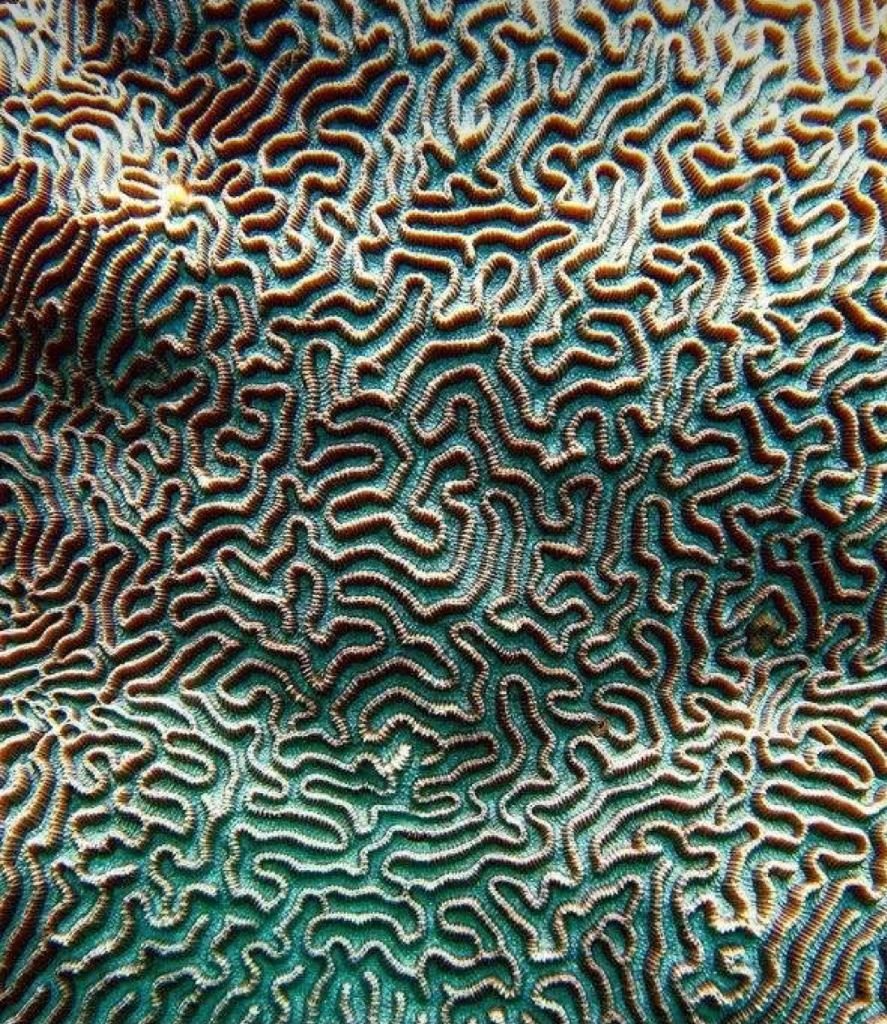
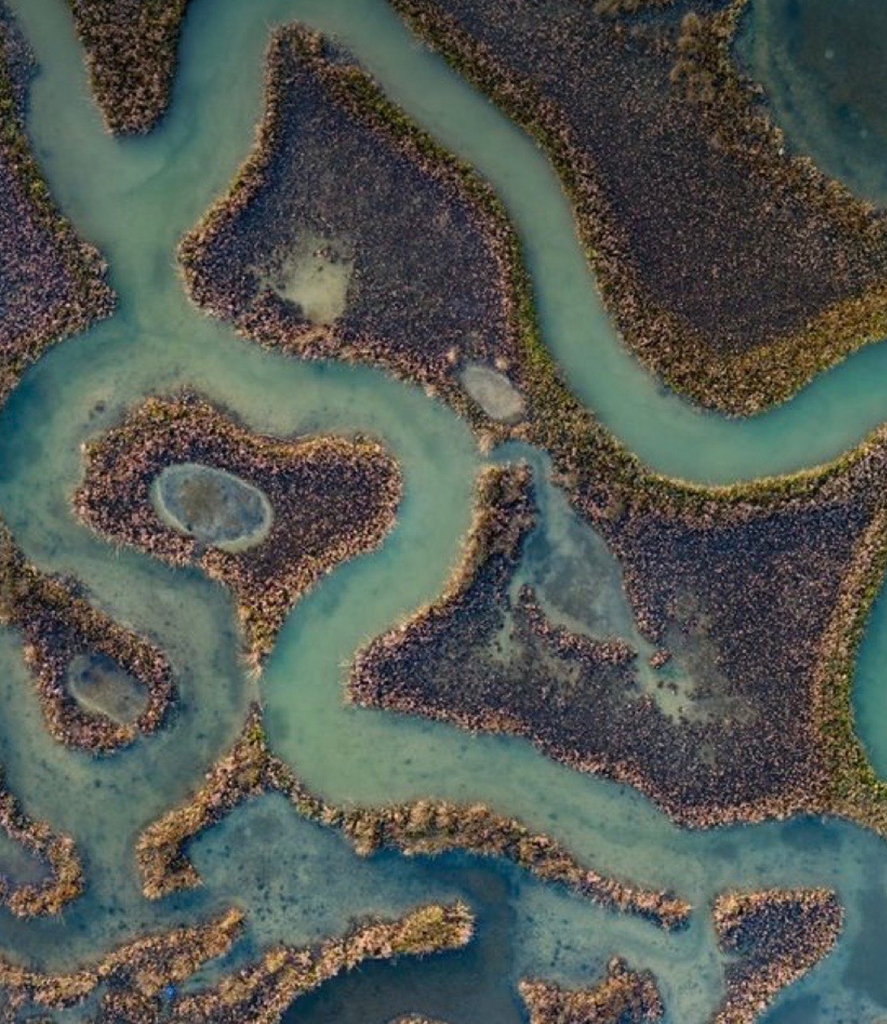
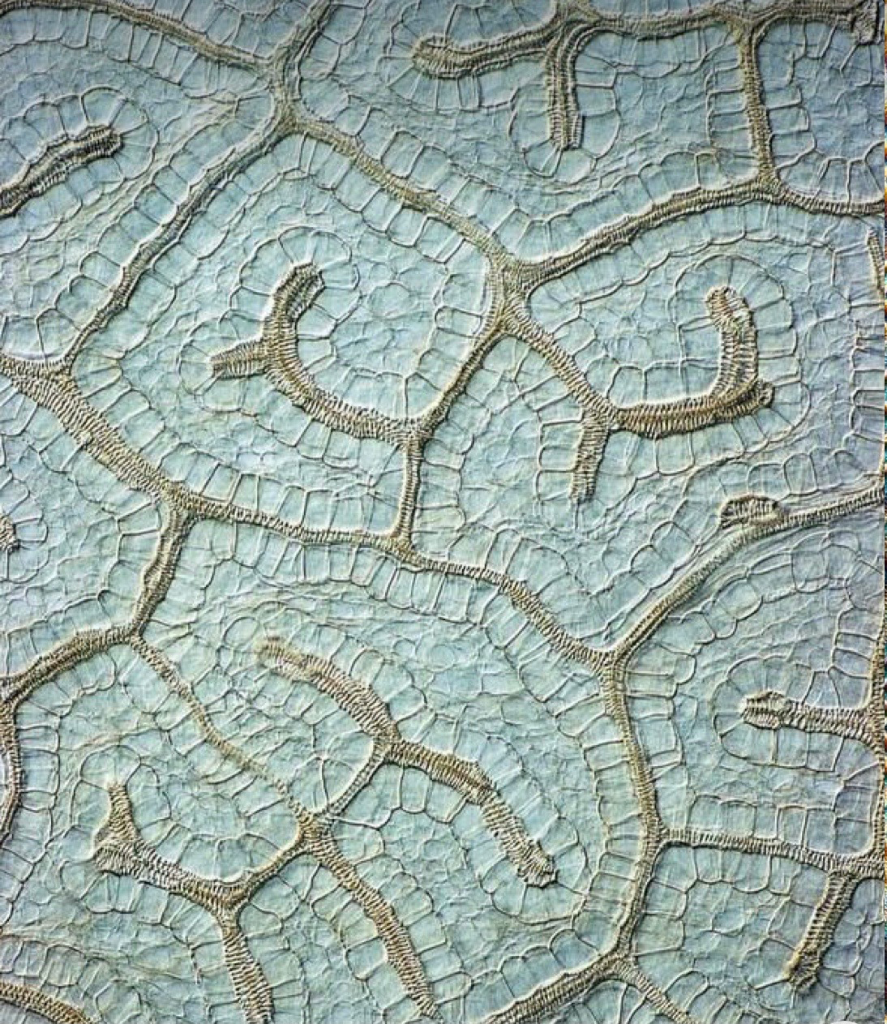
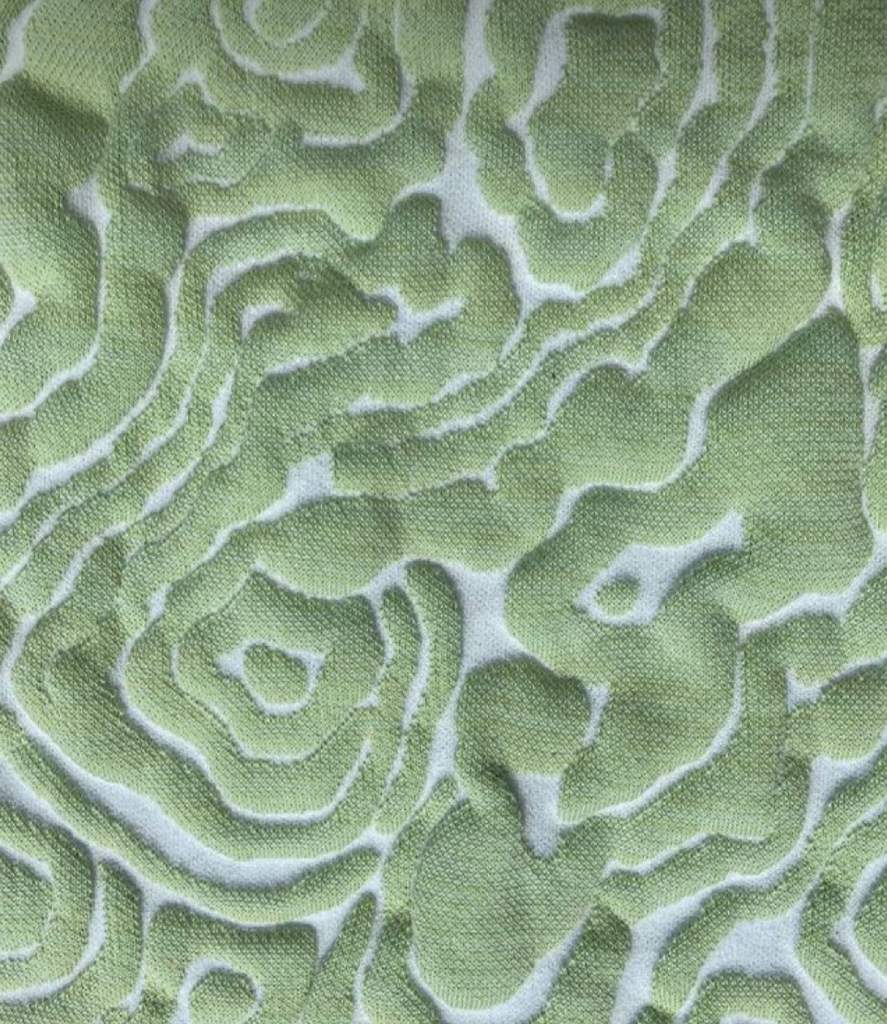
The formal and organisational language of BETWEEN WATER & EARTH is drawn directly from natural systems the branching logic of river deltas, the cellular geometry of coral and dry earth, the aerial complexity of wetland territories. These patterns became the structural DNA of the project: a city that grows the way nature does.
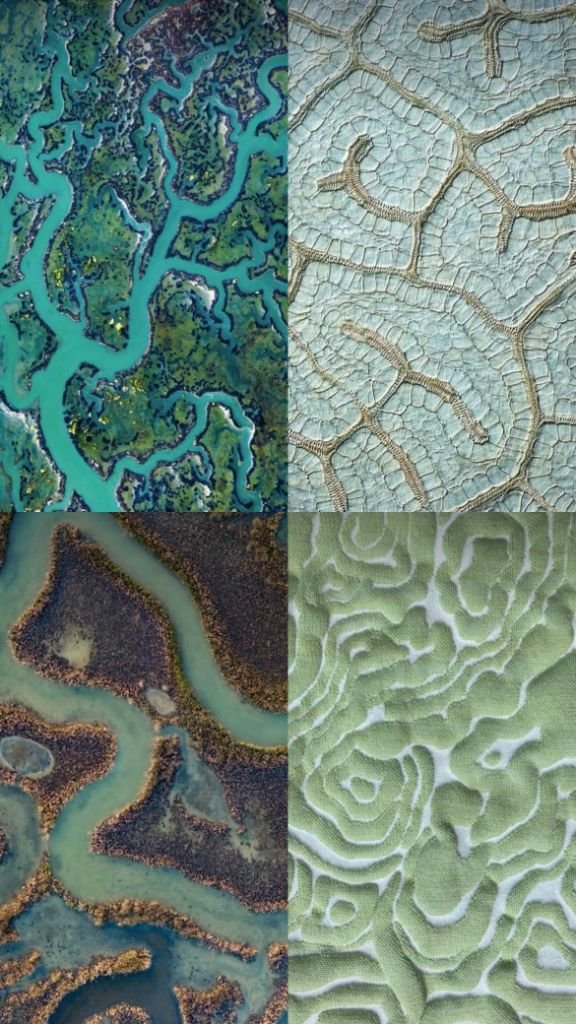 Four natural systems all operating on the same branching, cellular logic
The collage reveals a recurring geometric logic across scales: the river delta branches like a lung, the dried earth cracks into cells, the aerial wetland mirrors a neural network, the coral fabric echoes a city plan. This convergence of pattern across radically different natural systems confirmed our hypothesis that there exists a universal spatial grammar of interconnection that architecture can draw from and amplify.
Each of the four quadrants became a direct reference layer: branching circulation networks, cellular program clustering, threshold-rich edge conditions, and the labyrinthine continuity of the public ground plane.
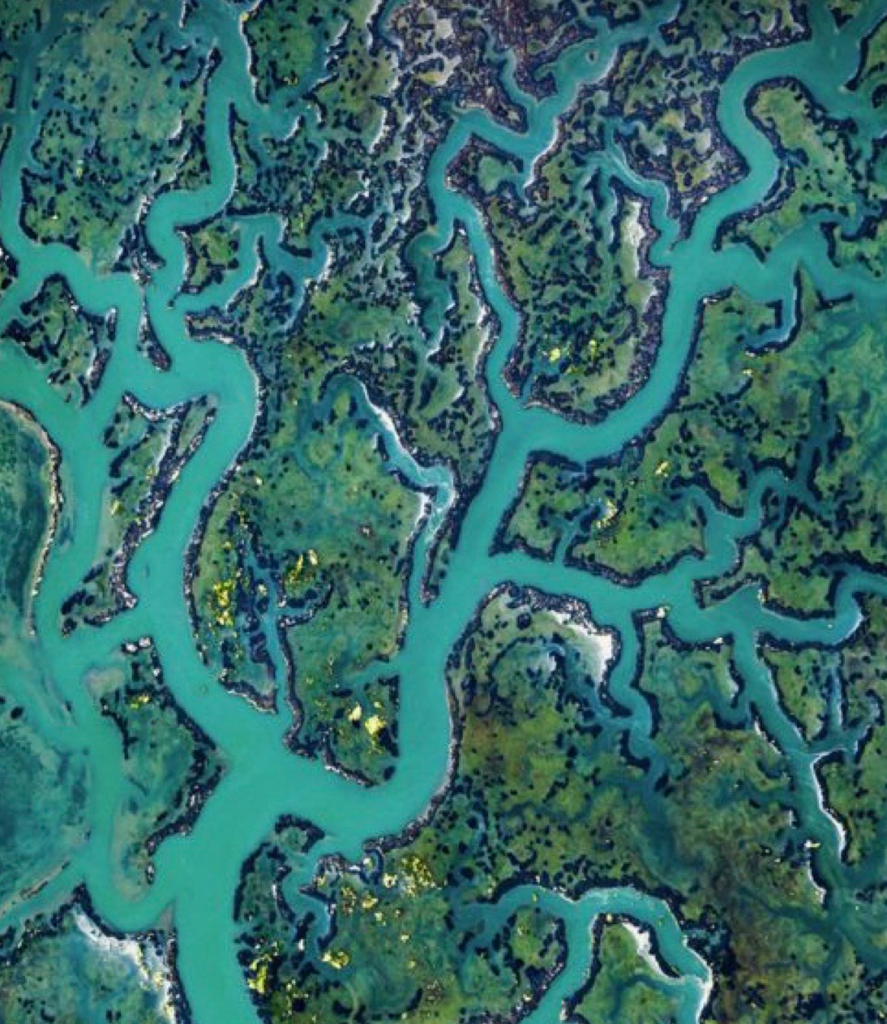 River delta circulation branching
 Wetland territories edge & threshold
 Cellular coral program clustering
"The city is not imposed on nature it is grown from it. Its surfaces breathe, its edges dissolve, its corridors migrate."en vie architecture, The Merged, 2024
In Motion
An animated reading of the living territory the river spine, the branching paths, the clustered organisms of program settling gently into the land without ever dominating it.
The natural references that gave the project its grammar coral formations, river deltas, root systems, and the quiet intelligence of water carving its own path through the earth.
Project Overview
This master plan emerges from a simple yet profound observation: where water meets earth, life organises itself into patterns of intelligence. The project is not a fixed plan imposed on the landscape it is a living framework that can grow, adapt, and regenerate over time.
At its core, the river becomes the spine of the territory a living artery that irrigates, connects, and gives rhythm to the entire site. Around it, clusters unfold like living organisms, each with its own identity yet interconnected through a network of soft, branching paths. These are not roads in the conventional sense, but extensions of movement: slow, porous, and respectful of the terrain.
The project is conceived as a gradient rather than a fixed plan: from dense, vibrant ecosystems to more open, inhabitable clearings. Built spaces gently settle within this matrix, never dominating but coexisting like clearings in a forest, or polyps on a reef.
Together, water and earth generate a continuous dialogue one of flow and grounding, movement and stillness. A place where architecture dissolves into landscape, and where human presence becomes part of a larger ecosystem.
Project Documentation
Browse all 13 project sheets and supporting diagrams. Click any page to expand full-screen.
Spatial Organisation
The river as the territory's living artery irrigating, connecting, and giving rhythm to the entire site. Every path, every cluster, every clearing is oriented in relation to this central presence.
Extensions of movement that follow the land's own logic slow, porous, and respectful of the terrain. These are not roads but flows, connecting the living clusters without imposing hierarchy.
Programmatic organisms that unfold around the river spine each with its own identity yet interconnected. Dense and vibrant at the core, opening gradually toward inhabitable clearings at the edges.
Built spaces that settle gently within the ecological matrix never dominating but coexisting, like clearings in a forest or polyps on a reef. Architecture as guest, not master.
Water is not treated as infrastructure but as presence shaping the land, creating microclimates, and inviting life to gather. It flows through the territory as both system and atmosphere.
Earth holds, filters, and anchors. In return for water's movement, the ground provides permanence the grounding that makes the territory legible, stable, and deeply rooted in place.
Design Philosophy
The project begins not with form but with observation tracing what is already there. The land's own logic, its drainage patterns, its edges and openings, become the first lines of the plan.
Every decision is oriented around the river a living artery that does not divide but connects. Circulation, program, and ecology all take their rhythm from this central presence.
The territory is conceived as a gradient from dense, vibrant cores to open, inhabitable clearings. There are no hard edges, only thresholds where one condition gradually gives way to another.
Built spaces settle within the ecological matrix as guests, not masters. They never dominate they coexist, like clearings in a forest or polyps on a reef, shaped by the life around them.
Water and earth are not separate systems but partners in a continuous conversation one of flow and grounding, movement and stillness. The architecture facilitates rather than interrupts this dialogue.
This is not a fixed master plan but a living framework one that can grow, adapt, and regenerate over time. The territory does not conquer the land; it belongs to it.
Site & Context
This territory proposes a new way of inhabiting one that does not conquer the land but belongs to it. Architecture here is not a statement of human dominance but an act of careful coexistence: reading the land's patterns, following its flows, and settling within them.
The sinuous lines echo natural forces: water carving its path, vegetation expanding into available light, life connecting across invisible gradients of moisture, shelter, and warmth.
What appears organic is in fact deeply structured guided by invisible forces of balance and adaptation. The same geometric logic that orders a coral reef, a river delta, or a root system orders this territory. Scale dissolves: what holds true at the microscopic level also holds true at the territorial.
Built spaces are not objects placed on the land but clearings within it the land continuing through and around them, the boundary between architecture and landscape becoming a zone of quiet negotiation rather than a hard edge.
Between water and earth, a new way of inhabiting emerges: one that does not conquer the land, but belongs to it.
Ecological Logic
The territory breathes air and light moving through its branching paths, through the clearings, through the porous edges where built and unbuilt negotiate their shared membrane.
Water is given back its agency not channelled and controlled but allowed to find its natural paths, pooling in microclimatic pockets, irrigating from movement rather than engineering.
Vegetation is not decoration but structure shade, shelter, filtration, and connection provided by a continuous living layer that grows denser and richer as the territory matures over time.
The ground holds, filters, anchors. It is the slow intelligence of place accumulating the record of everything that has passed through it, everything that has grown from it, everything that will.
Full Documentation